
Sport Psychology in Tyler, TX

If performance anxiety, a recent injury, or a mental block is keeping you from playing at your true potential, we can help you get out of your own head and back into the game.

When Your Identity is Tied to the Scoreboard
For many athletes, the pressure to be perfect creates a crippling "Shadow of Shame" when they fall short. When you have dedicated your entire life to a sport, a slump doesn't just feel like a bad game—it feels like an identity crisis.
Because athletes are taught to "tough it out," you might be using the "back door" to deal with the pressure. This can look like avoiding practice, lashing out at coaches or parents, or experiencing unexplained physical pain before a big event.
Are you battling these common mental roadblocks?
Performance Anxiety: Your heart races, your stomach drops, and your mechanics fall apart the moment the whistle blows.
The "Yips" or Mental Blocks: You suddenly cannot perform a basic skill (like throwing a baseball or a tumbling pass) that you've done thousands of times before.
Injury Grief: You are physically cleared to play, but mentally terrified of re-injury, causing you to hesitate on the field.
Perfectionism: You focus so heavily on avoiding mistakes that you lose the joy, creativity, and flow of the game.
Flow States and Mental Flexibility
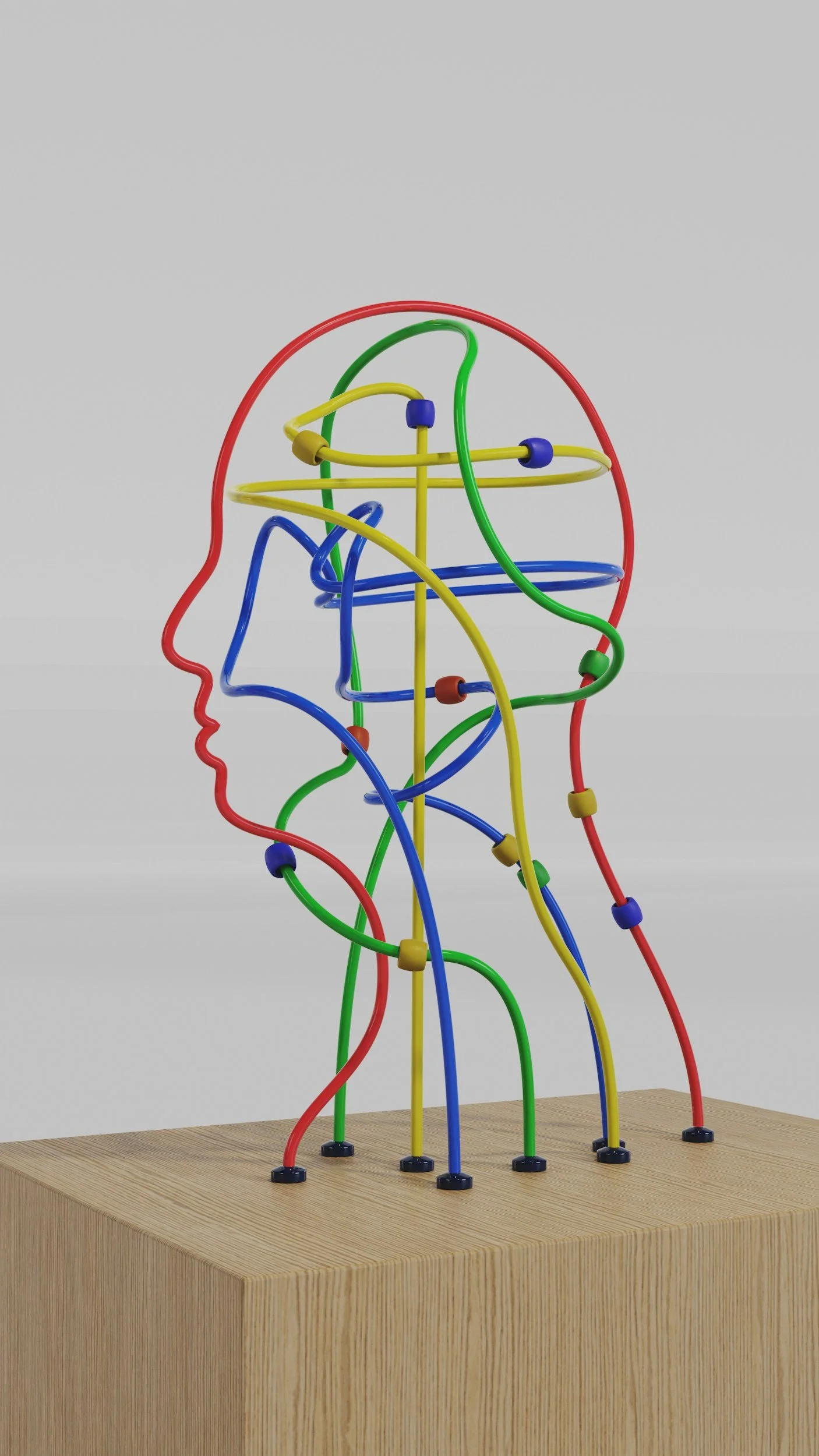
We utilize clinical sport psychology principles to help you detach your self-worth from your athletic performance. We don't just tell you to "think positive"; we teach you how to rewire your psychological response to pressure.
Our therapeutic focus includes:
Regulating the Nervous System: We teach you how to lower your heart rate and center your focus amidst the chaos of competition.
Reframing Discomfort: We help you use pre-game jitters and discomfort as a tool for heightened focus, rather than a signal to panic.
Identity Integration: We provide a brave space to figure out who you are outside of your sport, which paradoxically allows you to play with more freedom and less fear.
What to Expect in Your First Session
Athletes are used to being coached, critiqued, and corrected. In our Tyler office, you are not a stat sheet; you are a human being. The first session is about understanding the history of your athletic career, identifying the specific triggers for your anxiety or blocks, and establishing a game plan to increase your mental capacity.
Is This Therapy Right For You?
Who it is for: High school, collegiate, and competitive adult athletes who want to build mental toughness through true emotional intelligence, not just by suppressing their feelings.
Who it is not for: Athletes looking for a "magic trick" to instantly boost their stats without being willing to address their underlying fear of failure.

Elevating East Texas Athletes

Sports are a way of life in East Texas. From competitive club soccer and high school football to the collegiate pressures at UT Tyler and TJC, we understand the local landscape. We provide a confidential, neutral space away from the locker room where you can admit you are struggling without fear of losing your starting spot.
FAQs
Does going to therapy mean I'm mentally weak?The exact opposite. The best athletes in the world have sport psychologists. Acknowledging a mental block and actively seeking professional coaching to overcome it is the definition of mental toughness.
Will my coach or parents know what we talk about?If you are over 18, your sessions are strictly confidential. If you are under 18, we collaborate with parents on general progress, but the specific details of our sessions remain your safe, private space.
How long does it take to fix a mental block like the "yips"?It varies by athlete. Some see improvement in a few targeted sessions by learning new cognitive strategies, while others require more time to unpack the deeper perfectionism or trauma driving the block.

Ready to Get Out of Your Own Head?
Stop letting anxiety dictate your performance. It's time to play with the confidence and freedom you’ve trained so hard for.